Dandelions, Gentian, and the Taste We Were Taught to Fear: Reclaiming Bitter Foods for a Healthier Gut
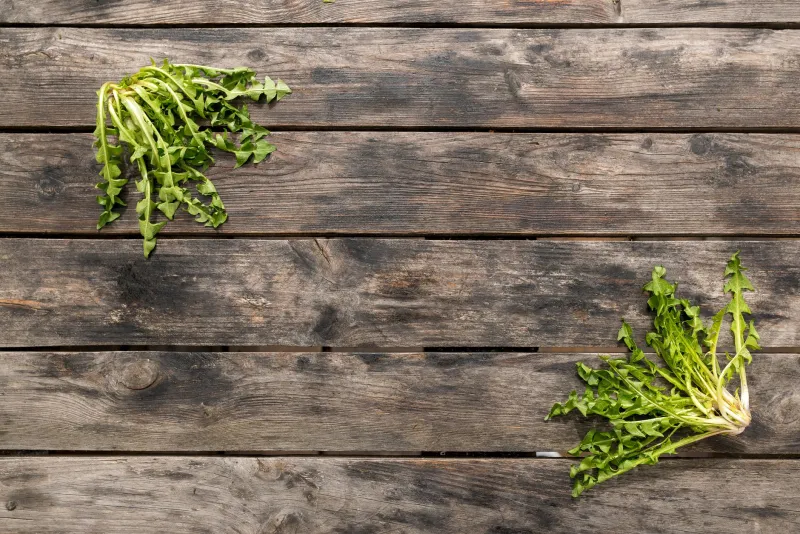
Here's something wild to sit with: the same dandelion your neighbor is spraying with herbicide every spring was once a staple at the American dinner table. People ate it on purpose. They craved it, even. Not because they had no other options, but because something in their bodies recognized that bitterness meant medicine.
Somewhere along the way — somewhere between the industrial food revolution and the rise of high-fructose corn syrup — we collectively decided that bitter was bad. And in doing so, we quietly removed one of the most powerful digestive tools nature ever handed us.
Why Bitterness Isn't a Bug — It's a Feature
Your tongue has specialized taste receptors called TAS2Rs, and they're specifically wired to detect bitter compounds. Scientists have identified at least 25 different types of these receptors in humans. That's a lot of biological real estate dedicated to one flavor — which should tell you something.
Evolutionarily speaking, this sensitivity existed partly as a poison warning system. But here's the nuance most people miss: the body doesn't just detect bitterness and sound an alarm. In the right context and amounts, bitterness actually activates the digestive system. When bitter compounds hit the back of your tongue and throat, they trigger the release of digestive enzymes, bile acids, and stomach acid — essentially waking your gut up and telling it that real food is incoming.
This reflex is sometimes called the "bitter response" or "cephalic phase digestion," and researchers are increasingly interested in how blunting it — by eating a diet stripped of natural bitterness — might be contributing to the epidemic of digestive complaints Americans deal with daily.
What Traditional Cultures Actually Ate
Pre-industrial diets around the world were full of bitter foods, and not by accident. In European folk medicine, gentian root (Gentiana lutea) was one of the most widely used digestive tonics for centuries. Herbalists prescribed it for sluggish digestion, poor appetite, and what they called "liver congestion" — conditions we'd probably describe today as bloating, indigestion, and fatty liver tendencies.
In Mediterranean cultures, bitter greens like radicchio, chicory, and arugula weren't just salad fillers. They were intentionally eaten before meals to prime the digestive system. In Traditional Chinese Medicine, bitter foods and herbs were associated with the heart and small intestine meridians and were prescribed to clear heat and support metabolic function.
Wormwood (Artemisia absinthium) — yes, the ingredient in absinthe — was used across European and Middle Eastern traditions as a digestive bitter and liver tonic. It sounds extreme by modern standards, but small therapeutic doses were considered completely routine.
Dandelion greens, meanwhile, show up in Native American herbal traditions, European folk medicine, and Chinese herbalism alike. That kind of cross-cultural consensus is hard to ignore.
What Modern Science Is Starting to Say
Researchers are now looking at bitter compounds — collectively called "bitters" — with fresh eyes, and the findings are genuinely interesting.
Studies on gentian root have shown it can stimulate the secretion of gastric acid and digestive enzymes, which supports more complete breakdown of proteins and fats. For people who eat a lot of processed food (which requires less digestive effort) or who take acid-suppressing medications, this kind of stimulation may be particularly meaningful.
Dandelion, long dismissed as a weed, has been studied for its potential effects on liver function. Some research suggests that compounds in dandelion root and leaves may support bile production and flow — which is critical for fat digestion and the removal of waste products from the liver.
And wormwood? Small clinical studies have explored its role in supporting gut motility and reducing symptoms in people with irritable bowel syndrome, with some promising early results.
None of this is a magic cure. But collectively, it suggests that our ancestors weren't wrong — they just didn't have the lab equipment to explain why they were right.
Why Americans Lost the Taste for Bitter
The shift away from bitter foods in the American diet is pretty recent and almost entirely driven by industry, not biology.
Food manufacturers learned early on that sweetness sells. Sugar suppresses bitterness at the receptor level, which is why adding it to processed foods made them universally palatable — and universally addictive. Over decades of conditioning, American palates shifted. Kids raised on sweet cereals and fruit-flavored everything grew into adults who find raw arugula aggressive and black coffee unpleasant.
Compounding this, the vegetables bred for mass commercial production have been systematically selected for lower bitterness. Modern iceberg lettuce, for example, is a shadow of its more bitter ancestors. We literally bred the medicine out of our food.
How to Start Bringing Bitter Back
The good news? Your bitter receptors aren't gone — they're just underused. And like any sense, they can be recalibrated with a little patience.
Start small with bitter greens. Swap your romaine for arugula, add some radicchio to a grain bowl, or toss a handful of dandelion greens into a smoothie. The bitterness is real, but it mellows quickly when paired with something acidic like lemon juice or a quality olive oil.
Try digestive bitters before meals. Herbal bitters — liquid extracts that typically combine gentian, artichoke, orange peel, and other botanicals — have made a quiet comeback in the wellness world. A few drops in water about 15 minutes before eating is the traditional approach. Brands like Urban Moonshine and Angostura (yes, the cocktail bitters) are widely available.
Drink unsweetened herbal teas with bitter notes. Dandelion root tea, chamomile, and gentian teas all carry some bitterness and are easy entry points. Let yourself sit with the flavor instead of reaching for honey immediately.
Cook with bitter vegetables regularly. Roasting takes the edge off bitterness while preserving the beneficial compounds. Try roasted broccoli rabe with garlic, or braised endive with olive oil and a squeeze of orange.
Go slow with coffee. If you currently drink it with a lot of cream and sugar, try gradually reducing the sweetener. Black coffee is one of the most accessible bitter foods in American culture — and it comes with its own set of studied benefits.
A Different Relationship With Flavor
Reintegrating bitterness into your diet isn't about punishing your taste buds. It's about expanding what you recognize as nourishing. Traditional food cultures didn't separate pleasure from medicine the way we tend to — a bitter green sautéed with garlic and good olive oil was both delicious and therapeutic.
That's kind of the whole idea behind how nature works. The things that support your health aren't supposed to feel like deprivation. Sometimes they just require a little reintroduction — a willingness to sit with a flavor that feels unfamiliar until it starts to feel like home.
Your digestive system has been waiting for this. Your liver probably has too.