What Medieval Healers Knew About Bone Broth Fasting That Modern Immunology Is Just Now Catching Up On
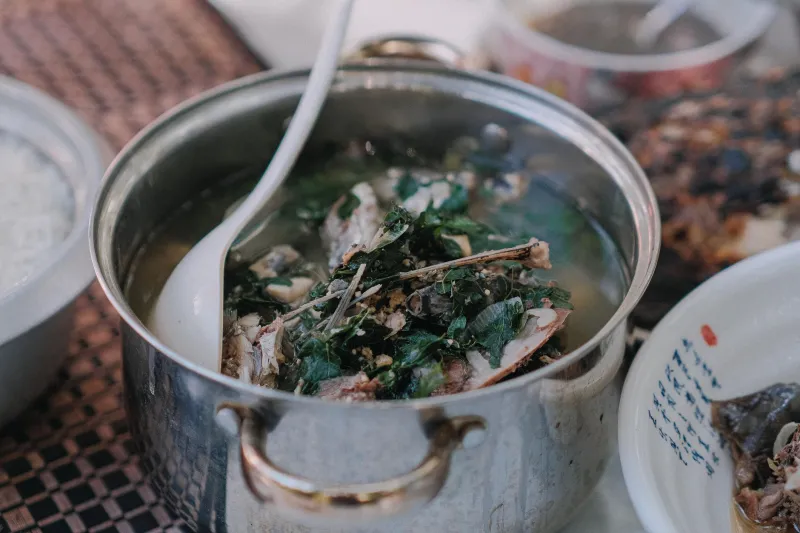
Somewhere between a juice cleanse and a full water fast sits one of the oldest healing rituals on the planet — and most Americans have never heard of it. Bone broth fasting, a practice that showed up in medieval European apothecaries and traditional Asian medicine halls alike, was once considered a cornerstone of serious healing work. It wasn't trendy. It wasn't a detox program you bought online. It was simply what healers reached for when the body needed a genuine reset.
So what did these practitioners understand that we're only now starting to put into clinical language? Quite a bit, it turns out.
A Practice That Crossed Continents
The story of bone broth fasting doesn't belong to any single culture. In medieval Europe, monastic healers routinely prescribed periods of broth-only nourishment during illness recovery, seasonal transitions, and what they called "humoral imbalances" — their way of describing what we might today call systemic inflammation. The broth wasn't an afterthought. Bones were simmered for hours, sometimes days, to extract every last bit of marrow, collagen, and mineral content. The result was considered medicine.
Meanwhile, in traditional Chinese medicine, bone-based broths were used to tonify the kidneys and build what practitioners called jing — a kind of deep, foundational vitality. In Ayurvedic tradition, similar preparations appeared during panchakarma cleansing protocols. The specifics varied, but the underlying logic was strikingly consistent: give the digestive system a break while flooding the body with easily absorbed, deeply nourishing compounds.
These healers didn't have electron microscopes. They didn't know what autophagy was. But they observed, over generations, that people who periodically rested on broth came out the other side with clearer skin, calmer digestion, and what many described as a renewed sense of energy and resilience.
What Makes Bone Broth Different From Just Not Eating
This is where things get genuinely interesting — and where bone broth fasting separates itself from plain water fasting in meaningful ways.
When you simmer animal bones for an extended period (we're talking 12 to 24 hours minimum for a quality broth), the liquid becomes rich in a specific set of compounds that water simply cannot provide. Collagen breaks down into gelatin and then into individual amino acids like glycine, proline, and hydroxyproline. These aren't just building blocks for connective tissue — glycine in particular plays a role in calming the nervous system and supporting liver detoxification pathways.
Bone broth also delivers a meaningful dose of minerals — calcium, magnesium, phosphorus, and potassium — in a highly bioavailable form. During a fast, when the body isn't processing solid food, these minerals can be absorbed with unusual efficiency. And for anyone who's tried a strict water fast and crashed hard by hour 18, the electrolyte cushion that broth provides is not a small thing.
There's also the question of gut lining support. The gelatin in a well-made bone broth has long been associated with soothing and repairing the intestinal wall — something that matters enormously for people dealing with autoimmune conditions, food sensitivities, or what integrative practitioners often call "leaky gut."
The Modern Science Catching Up to Ancient Intuition
Here's where it gets exciting for the research-minded among us. The concept of autophagy — essentially the body's cellular housekeeping process, where damaged or dysfunctional cells are broken down and recycled — has become one of the hottest areas in longevity research. The 2016 Nobel Prize in Physiology went to Yoshinori Ohsumi specifically for his work on autophagy mechanisms. And fasting, it turns out, is one of the most reliable ways to trigger it.
Bone broth fasting occupies an interesting middle ground here. It's low enough in calories and protein to allow autophagy to kick in — particularly during a 24 to 48-hour window — while providing enough supportive nutrition to prevent the kind of muscle breakdown and electrolyte depletion that can make extended water fasting rough for a lot of people.
Emerging research is also pointing toward fasting's effects on inflammatory markers. Studies have shown that short-term caloric restriction can reduce circulating levels of inflammatory cytokines — the chemical messengers that drive chronic inflammation and play a central role in autoimmune flares. For the millions of Americans managing conditions like rheumatoid arthritis, Hashimoto's thyroiditis, or inflammatory bowel disease, this is more than academic.
None of this means bone broth fasting is a cure. But the mechanistic plausibility is real, and it aligns with what traditional healers were observing empirically for centuries.
A Gentle Protocol Worth Knowing
If you're curious about trying a bone broth fast, the good news is that a 24 to 48-hour version is accessible for most healthy adults without requiring heroic willpower or a lot of preparation.
Start with quality broth. This part matters more than most people realize. A good bone broth should gel when refrigerated — that's the gelatin telling you the collagen extraction worked. You can make your own by simmering beef knuckle bones, chicken feet, or a whole carcass with a splash of apple cider vinegar (which helps pull minerals from the bones) for 18 to 24 hours. If you're buying it, look for brands that list actual cooking time and show a gel consistency. Many grocery store "bone broths" are little more than flavored water.
Aim for 4 to 6 cups per day. Sip it warm throughout the day rather than gulping it down. This keeps your digestive system in a gentle, low-activity state rather than triggering a full digestive response.
Add a pinch of sea salt and a squeeze of lemon if you need a little flavor variation. Some people also add a small amount of turmeric or ginger for additional anti-inflammatory support — both of which have their own long histories in traditional healing contexts.
Choose your window thoughtfully. A weekend works well for most people. Start on a Friday evening after a light dinner, fast through Saturday and Sunday on broth, and break the fast Monday morning with something easy — soft-cooked eggs, a simple soup, or well-cooked vegetables. Avoid diving straight into a heavy meal.
Listen to your body. Some mild fatigue or a light headache in the first 12 to 18 hours is common as your body shifts fuel sources. But significant dizziness, heart palpitations, or feeling genuinely unwell are signals to stop and eat something.
A note for anyone managing a chronic health condition, taking medications, or who is pregnant or breastfeeding: please talk to your healthcare provider before attempting any kind of extended fast.
Why This Feels Different From the Detox Trend Cycle
It's fair to be skeptical of anything that gets labeled a "cleanse" or a "reset" in the wellness space. That world has a complicated relationship with evidence, and it's produced more than a few expensive products that overpromise and underdeliver.
Bone broth fasting feels different — not because it's flashy, but because it's the opposite of flashy. It's old. It's simple. It requires nothing more than bones, water, time, and a little patience. The people who used it weren't selling anything. They were just watching what happened when the body got a chance to quiet down and do its own repair work.
Maybe that's the most interesting thing about it. In a culture that's always reaching for the next supplement or the next biohack, there's something quietly radical about a healing practice that asks you to slow down, sip something warm, and trust that your body knows what to do with the space you give it.
That's a kind of wisdom worth sitting with — even if you never do a single day of broth fasting in your life.