Bitter Is Better: The Digestive Secret Your Ancestors Knew That Modern Food Culture Erased
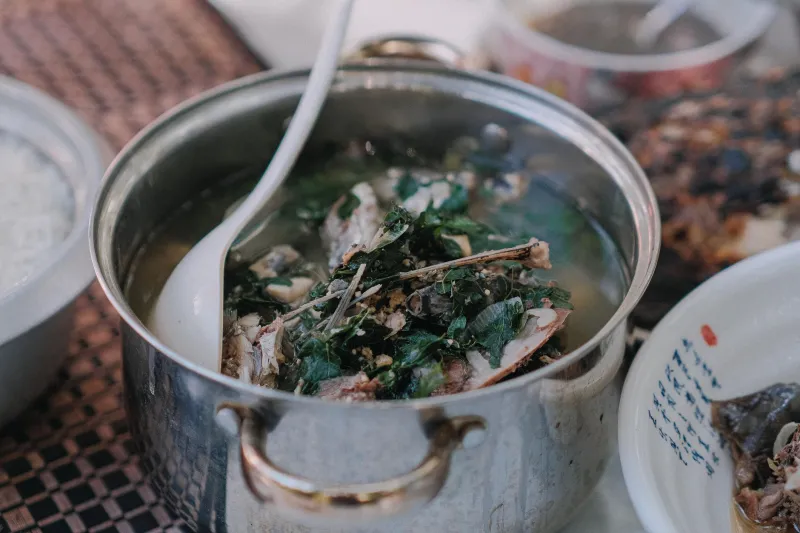
There's a reason your great-grandmother's salad looked nothing like the iceberg wedge you grew up with. Dandelion greens, radicchio, bitter melon, endive, mustard leaves — these weren't punishment foods. They were intentional. Across nearly every traditional cuisine on the planet, bitter flavors held a place of quiet importance at the table, not despite their sharpness, but because of it.
Somewhere along the way, modern food manufacturing decided bitter was a problem to be solved. High-fructose corn syrup, selective crop breeding, and ultra-processed convenience foods gradually trained American palates to expect sweet, salty, or savory — and little else. The result? A generation of digestive systems that never get the warm-up signal they were designed to receive.
Your Mouth Is a Starting Gun
Here's something most people don't realize: digestion doesn't begin in the stomach. It begins the moment your taste buds fire.
When you encounter a bitter flavor, specialized taste receptors — known as TAS2Rs — send an immediate signal through your nervous system. That signal triggers a cascade your body has been running for thousands of years. Saliva production ramps up. The stomach starts releasing gastric acid. The pancreas gets the memo to prepare digestive enzymes. And crucially, the gallbladder begins readying bile for fat breakdown.
Think of it like a restaurant kitchen getting a heads-up that a big order is coming. Bitter taste is that heads-up. Without it, your digestive system is essentially cooking blind — reacting after food arrives rather than preparing in advance.
Researchers have found TAS2R receptors not just in the mouth, but in the gut lining, the stomach, and even the liver. This suggests the body's relationship with bitterness goes far deeper than simple taste preference. It's a full-system communication network, and most Americans have stopped using it.
What Traditional Cultures Got Right
Look at traditional Italian cuisine and you'll find radicchio and escarole showing up in antipasto — before the main meal. That timing wasn't accidental. In Ayurvedic practice, bitter herbs like neem and fenugreek have been used for centuries as digestive primers. Traditional Chinese medicine has long prescribed bitter foods to support liver qi and stimulate what practitioners call the "digestive fire."
In the American South, before processed food took hold, dandelion greens and mustard greens were springtime staples — partly because they were among the first things to grow, but also because generations of home cooks understood they made the stomach feel right. Bitter aperitifs like Campari and Fernet-Branca, still popular in Europe, are direct descendants of medicinal herbal bitters that apothecaries once prescribed for sluggish digestion.
Across the board, these cultures weren't torturing themselves. They were using flavor as medicine — a principle so intuitive it didn't need a clinical trial to validate it.
The Liver and Gallbladder Connection
If there are two organs that particularly benefit from a bitter nudge, it's the liver and the gallbladder — and most Americans are barely giving them a second thought.
Bile, produced by the liver and stored in the gallbladder, is essential for breaking down dietary fats and absorbing fat-soluble vitamins like A, D, E, and K. When bitter receptors in the digestive tract are activated, bile flow increases. Without that stimulation, bile can become sluggish and thick — a condition sometimes called biliary sludge — which can contribute to bloating, fat intolerance, and that heavy, uncomfortable feeling after meals.
Some herbalists and functional medicine practitioners refer to bitter herbs as "cholagogues" — substances that promote bile flow. Dandelion root, artichoke leaf, gentian, and milk thistle are among the most well-known. While the research base is still growing, early studies on artichoke extract in particular have shown promising results for supporting bile production and reducing symptoms of indigestion.
This isn't fringe thinking. It's old knowledge getting a second look through a modern scientific lens.
Why Modern Palates Pushed Back
Bitterness is the taste humans are most sensitive to, and there's an evolutionary reason for that — many toxic plants taste bitter, so the aversion served as a survival filter. But traditional food cultures learned to work with bitterness rather than around it, using cooking techniques, pairings, and preparation methods to make bitter foods palatable and even enjoyable.
The food industry, however, found it easier to just breed the bitterness out. Modern broccoli, Brussels sprouts, and grapefruit are all significantly less bitter than their ancestors. Selective cultivation prioritized sweetness and mildness because those flavors sold better. The side effect was a slow erosion of the dietary signals our digestive systems depend on.
Add to that the rise of highly processed snack foods engineered to hit sweet and salty receptors with precision, and you've got a population whose taste preferences have drifted far from anything resembling traditional eating.
Bringing Bitter Back — Without the Battle
The good news is that taste preferences aren't fixed. Research shows that repeated, low-level exposure to bitter foods gradually recalibrates your palate. You don't have to love dandelion greens on day one. You just have to keep meeting them.
Here are some approachable ways to reintroduce bitter flavors into your everyday eating:
Start with digestive bitters. Herbal bitters in tincture form — available at most health food stores — are one of the easiest entry points. A few drops in water before a meal is a gentle, traditional way to get the digestive cascade going without committing to a full plate of arugula.
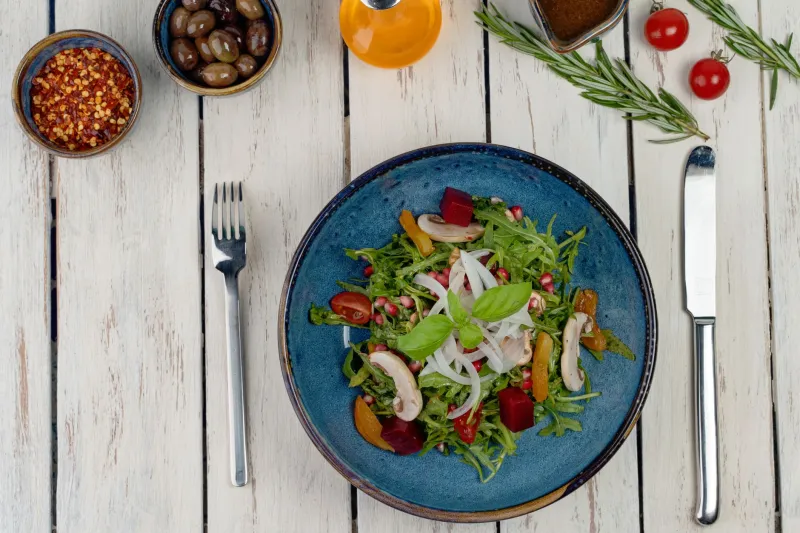
Add a small bitter green to your salad. Mix arugula or radicchio in with romaine or spinach. The familiar base softens the learning curve while the bitter notes still do their job.
Try roasting. Heat mellows bitterness significantly. Roasted Brussels sprouts, charred radicchio, or caramelized endive are far more approachable than their raw counterparts.
Drink dandelion root tea. It's earthy, slightly bitter, and widely available. Many people find it easier to sip bitterness than chew it, especially when starting out.
Use citrus zest. Lemon and orange peel contain bitter compounds that pair beautifully with salad dressings, grain dishes, and roasted vegetables. It's a subtle entry point that doesn't feel like medicine.
Experiment with bitter herbs. Fresh herbs like rosemary, sage, and thyme carry mild bitter notes. Using them generously in cooking is a low-effort way to reintroduce that flavor profile.
A Flavor Worth Relearning
There's something quietly powerful about the idea that your body already knows what it needs — and that taste itself can be a form of communication between what's on your plate and what's happening in your gut. Bitter flavors aren't a flaw in nature's design. They're a feature that modern food culture accidentally switched off.
Reintroducing them doesn't require a dramatic dietary overhaul. It just requires a little curiosity, a willingness to sit with an unfamiliar flavor, and the understanding that what your ancestors found nourishing might be exactly what your digestion has been waiting for all along.