Slippery Elm and Marshmallow Root: The Gooey Plant Magic That's Been Calming Angry Guts for Centuries
If you've ever mixed slippery elm powder into warm water and watched it transform into something that looks vaguely like thin porridge, you've witnessed one of nature's quieter miracles. It's not glamorous. It doesn't taste like much. But that thick, gel-like substance? That's mucilage — and for centuries, healers across continents relied on it to do something no pill could quite replicate: physically coat and calm an irritated gut.
We live in an age of acid reducers, antacids, and expensive gut supplements that promise to "restore your microbiome." Yet a growing number of functional medicine practitioners are circling back to something far older and arguably far gentler — the mucilaginous herbs that traditional herbalists never stopped trusting.
What Even Is Mucilage, Anyway?
Mucilage sounds like something you'd rather not think about, but it's actually a remarkable category of plant compounds. Chemically speaking, mucilages are complex polysaccharides — long-chain carbohydrates that, when they come into contact with water, swell and form a slick, gel-like substance. Plants produce mucilage for their own reasons: it helps them retain moisture, protect seeds, and sometimes deter insects.
For the human digestive tract, though, that viscous quality turns out to be extraordinarily useful. When you swallow a mucilage-rich preparation, it doesn't get immediately absorbed. Instead, it travels through your digestive system in a way that coats the mucosal lining of your esophagus, stomach, and intestines — essentially laying down a temporary protective film over tissues that may be raw, inflamed, or damaged.
Think of it like applying a natural bandage to the inside of your gut. That's not a metaphor herbalists invented — it's increasingly the language that researchers are using too.
Slippery Elm: The Bark That Became a Remedy
Slippery elm (Ulmus rubra) is a native North American tree, and Indigenous peoples across the continent — including the Cherokee, Iroquois, and Ojibwe — had long understood its healing properties. They used the inner bark not just for digestive complaints but for wounds, sore throats, and respiratory issues. European settlers quickly adopted it, and by the 19th century, slippery elm lozenges and powders were staples in American apothecaries.
The inner bark is where the magic lives. Dried and ground into a fine powder, it releases generous amounts of mucilage when mixed with liquid. Beyond the physical coating action, slippery elm contains antioxidants that may help reduce oxidative stress in inflamed tissues, and some early research suggests it may actually stimulate mucus secretion in the digestive tract — meaning it doesn't just supplement your gut's natural defenses, it may encourage them.
For people dealing with conditions like gastroesophageal reflux, irritable bowel syndrome, or Crohn's disease, that dual action is a big deal. Functional medicine practitioners working with chronic gut inflammation are increasingly recommending slippery elm as a complementary support — not as a replacement for medical care, but as a tool that works with the body's own healing mechanisms rather than suppressing them.
Marshmallow Root: Not the Campfire Treat
Marshmallow root (Althaea officinalis) shares almost nothing with the puffy white confections you roast over a fire — except, interestingly, some historical lineage. The original marshmallow candy was actually made using the whipped, mucilaginous root of this plant. The modern sugar puff is a distant, unrelated descendant.
The plant itself has been used medicinally for over 2,000 years, appearing in Greek, Roman, and Arabic medical traditions. Like slippery elm, its power comes from its exceptionally high mucilage content — some estimates suggest the root can be up to 35% mucilage by dry weight.
Where marshmallow root particularly shines is in the upper digestive tract and urinary system. Herbalists have traditionally used it for leaky gut concerns, gastritis, and even as a soothing agent for the kidneys and bladder. Research, while still in earlier stages, has been encouraging: a 2013 study published in Complementary Medicine Research found that a syrup containing marshmallow root extract significantly reduced irritation in patients with dry cough and throat irritation — pointing to the same coating mechanism that makes it valuable further down the digestive line.
Unlike some herbal preparations that require heat to extract their active compounds, marshmallow root actually yields more mucilage through a cold-water infusion. Letting the root soak in cool or room-temperature water for several hours pulls out the polysaccharides more effectively than boiling — a small but important detail that can make a real difference in potency.
Why the Gut Lining Needs This Kind of Support
Here's some context that helps explain why these plants matter so much right now. The mucosal lining of your digestive tract is your body's first line of defense against pathogens, irritants, and the cascade of inflammation that can follow when that lining gets compromised. Modern life is not particularly kind to it.
Chronic stress, processed foods, frequent antibiotic use, alcohol, NSAIDs like ibuprofen — all of these can thin or damage the protective mucus layer that lines the gut. When that layer is weakened, the underlying tissue becomes vulnerable. This is part of the mechanism behind conditions like leaky gut syndrome, which, while still debated in mainstream medicine, is increasingly taken seriously by integrative health practitioners.
Mucilaginous herbs can't rebuild a gut lining on their own. But they can create a temporary protective environment that may allow damaged tissue to recover — reducing ongoing irritation while your body does its repair work.
Practical Ways to Work These Herbs Into Your Day
The good news is that incorporating slippery elm and marshmallow root doesn't require any elaborate ritual or expensive equipment.
Slippery elm porridge is probably the most traditional preparation. Mix a teaspoon or two of slippery elm powder with just enough warm water to form a paste, then add more warm water or plant-based milk and a little honey or cinnamon. It's gentle, filling, and particularly useful first thing in the morning on an empty stomach.
Marshmallow root cold infusion is easier than it sounds. Add a tablespoon of dried root to a jar of cold water, let it sit overnight in the fridge, then strain and sip throughout the day. Some people add a little lemon or ginger for flavor.
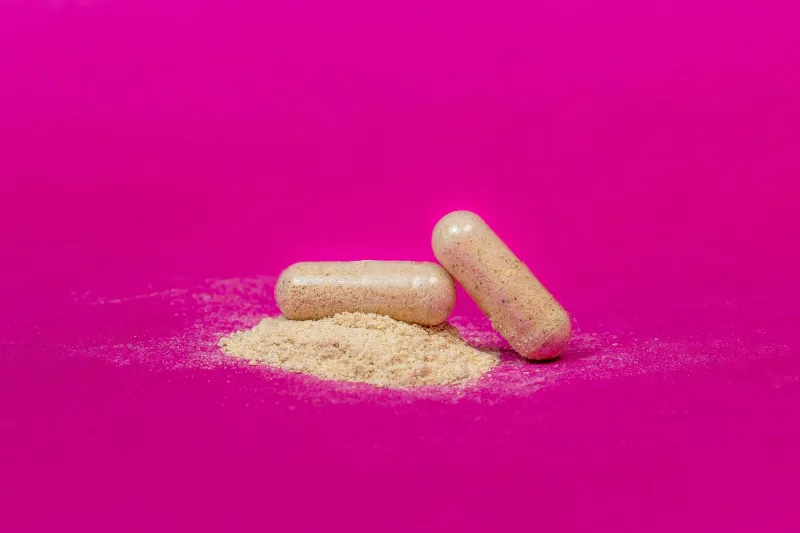
Both herbs are also widely available in capsule form, which is convenient for people who aren't excited about the texture of mucilaginous drinks — though many herbalists argue that the direct contact of the liquid preparation with digestive tissues is part of what makes these remedies effective.
A word of timing: because mucilage can potentially slow the absorption of other substances, it's generally recommended to take mucilaginous herbs separately from medications or other supplements — ideally at least an hour apart.
The Quiet Renaissance
There's something genuinely exciting about watching traditional plant remedies earn renewed respect in clinical spaces. Slippery elm and marshmallow root aren't flashy. They don't trend on social media the way adaptogens do. But among practitioners who work daily with patients struggling with chronic digestive inflammation, they're earning a quiet, steady reputation.
Nature has always offered solutions that work with the body rather than against it. Mucilaginous plants are a perfect example — unassuming, ancient, and remarkably well-suited to a problem that millions of Americans are dealing with right now. Sometimes the most powerful remedies are the ones that have simply been waiting for us to pay attention again.