The Mineral Nobody Talks About: How Low Magnesium Is Quietly Undermining Your Bones, Muscles, and Mind
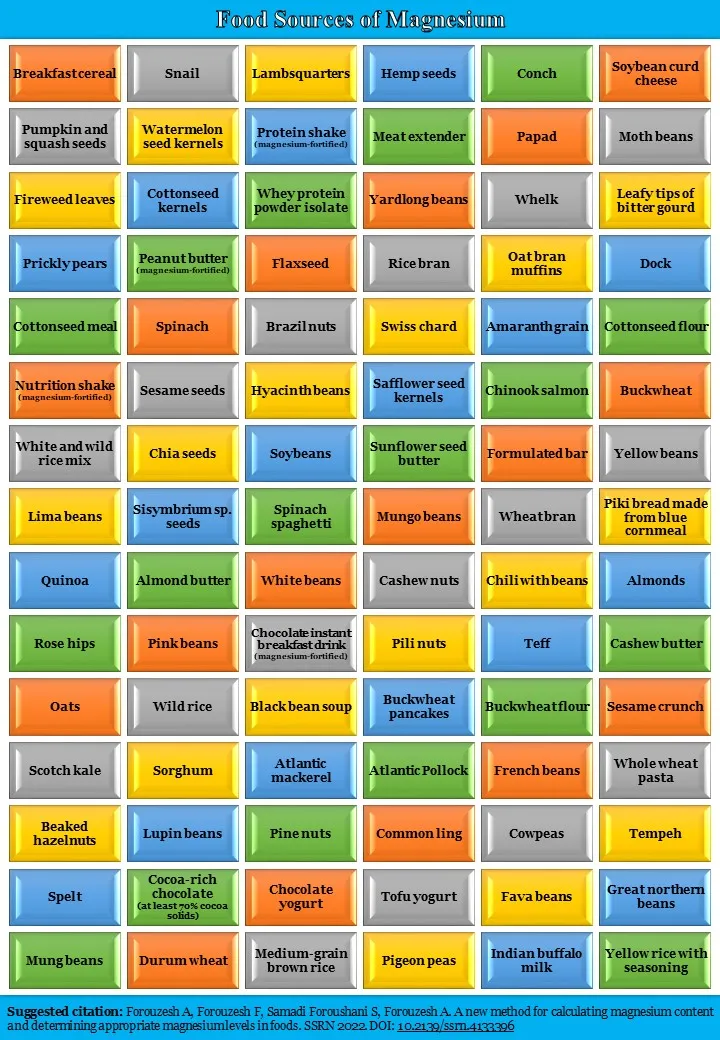
Photo: SSamadi15, CC BY-SA 4.0, via Wikimedia Commons
Ask most Americans what nutrient they need for strong bones, and you'll hear the same answer every time: calcium. It's been drilled into us since childhood — drink your milk, take your calcium supplement, protect your skeleton. But here's the thing nobody's talking about at the dinner table or in the doctor's office: without adequate magnesium, that calcium isn't doing nearly as much good as you think.
Magnesium is one of those quiet workhorses in the body. It's involved in over 300 enzymatic reactions, helps regulate muscle contractions, supports restful sleep, calms an overactive nervous system, and — here's the kicker — actually controls how calcium gets deposited into bone tissue. When magnesium is low, calcium can end up in the wrong places: arterial walls, soft tissues, and joints rather than the bones where it belongs. That's not a minor footnote. That's a foundational problem.
And yet, studies suggest that somewhere between 48 and 68 percent of Americans fall short of the recommended daily intake. This isn't a fringe concern. It might be one of the most overlooked health stories of our time.
How Did We Get Here? The Soil Problem Nobody Warned Us About
For most of human history, people got magnesium naturally — not from pills or powders, but from the food and water that surrounded them. Mineral-rich spring water, dark leafy greens grown in nutrient-dense soil, legumes, nuts, seeds, and whole grains all provided a steady, reliable supply.
Then came industrial agriculture.
Over the past century, intensive farming practices have stripped the soil of its natural mineral content at a rate that far outpaces its ability to replenish. Synthetic fertilizers prioritize nitrogen, phosphorus, and potassium — the big three for crop yield — but largely ignore trace minerals like magnesium. The result? Vegetables that look the same on the outside but contain a fraction of the minerals they once did.
A spinach leaf grown in 1950 simply isn't the same as a spinach leaf grown today, at least not nutritionally. Research comparing USDA food composition data across decades shows measurable declines in magnesium content across dozens of common vegetables and grains. We're eating more food and absorbing fewer minerals. That's a rough trade.
Water tells a similar story. Traditional communities that drank from natural springs or untreated wells were getting a meaningful dose of magnesium with every glass. Modern municipal water systems, while safe and necessary, filter out much of that mineral content. Soft water — now common across large swaths of the US — delivers essentially none.
What Traditional Cultures Got Right
Look back at traditional diets around the world and you'll find magnesium showing up constantly, just not by name. Communities in the Mediterranean loaded their plates with magnesium-dense foods: figs, almonds, chickpeas, dark greens cooked in olive oil, and whole grain flatbreads. In Latin American food traditions, beans and squash seeds were dietary staples, both excellent magnesium sources. Indigenous communities across North America relied on wild greens, nuts, and mineral-rich waters that kept their mineral intake naturally balanced.
None of these cultures were thinking about magnesium as a supplement. It was simply woven into the texture of daily eating — whole foods, mostly plant-based, minimally processed, and often grown or gathered from mineral-rich land.
Herbal traditions also played a role. Nettle leaf, long used in European and Native American herbalism, is one of the most magnesium-dense plants you can find. Oat straw infusions, red raspberry leaf tea, and even chamomile all contribute meaningful mineral content when brewed as strong infusions rather than weak teas. These weren't just soothing beverages — they were mineral delivery systems dressed up as ritual.
Signs Your Body Might Be Running Low
Magnesium deficiency doesn't always announce itself dramatically. It tends to creep in slowly, showing up as symptoms that are easy to dismiss or attribute to stress, aging, or just being tired all the time.
Muscle cramps — especially the kind that wake you up at 2 a.m. with a charley horse — are one of the most classic signs. So is that restless, twitchy feeling in your legs at night. Anxiety that seems to have no clear trigger, trouble falling asleep even when you're exhausted, tension headaches, and a low-grade sense of being wired but worn out can all point back to insufficient magnesium.
On the bone health side, the connection is more long-term. Magnesium activates vitamin D, which in turn helps the body absorb calcium. Without enough magnesium, the entire chain breaks down. You can take all the calcium and vitamin D you want — if magnesium is missing from the equation, you're working with an incomplete puzzle.
Getting More the Natural Way
The good news is that food-based magnesium is genuinely accessible, and you don't need a complex supplement regimen to start moving the needle.
Dark leafy greens are your first move. Spinach, Swiss chard, and beet greens are among the richest dietary sources. Cooking them lightly in a little fat — olive oil, butter, coconut oil — makes their nutrients more bioavailable.
Pumpkin seeds deserve a spot in your daily routine. A small handful delivers a surprisingly substantial dose of magnesium, along with zinc and healthy fats. Sprinkle them on salads, stir them into oatmeal, or just eat them as a snack.
Black beans and lentils are budget-friendly, versatile, and reliably magnesium-rich. If beans aren't already a regular part of your meals, this is a great reason to bring them in.
Dark chocolate — the real stuff, 70 percent cacao or higher — is one of the more enjoyable ways to top up your intake. A square or two after dinner isn't just a treat; it's practically a wellness practice.
Herbal infusions deserve special mention here. Brewing a strong nettle leaf infusion — steeped for four to eight hours in cold or warm water — extracts far more minerals than a quick three-minute steep ever could. This is closer to how traditional herbalists prepared plant medicines: slowly, intentionally, with time to draw out everything the plant has to offer. Oat straw is another excellent option, with a mild, slightly sweet flavor that makes it easy to drink daily.
Epsom salt baths offer a different route altogether. Magnesium sulfate absorbs transdermally through the skin, and a 20-minute soak a few times a week is a well-loved home remedy for muscle tension and stress relief. Whether it delivers clinically meaningful amounts to the bloodstream is still debated, but as a relaxation ritual that might also support your mineral intake? It's hard to argue with.
A Simple Shift With a Long Reach
There's something quietly radical about paying attention to magnesium. It asks you to look beyond the loudest nutritional messages — the calcium campaigns, the protein obsession, the supplement aisle noise — and tune into a more foundational layer of how the body actually works.
This is what nature-based wellness has always understood: the body doesn't need exotic interventions. It needs the raw materials it was designed to run on. Magnesium is one of those materials, and for most Americans, it's been quietly missing from the picture for a long time.
Start with your plate. Add the dark greens, the seeds, the beans. Brew a pot of nettle tea and let it sit. Draw a warm Epsom salt bath on a Tuesday night just because you can. These aren't dramatic gestures — they're small, consistent acts of nutritional care that add up over time.
Your bones, your muscles, and your nervous system have been waiting for this.