Eating With the Seasons: The Ancient Practice That Could Transform Your Energy, Digestion, and Immunity All Year Long
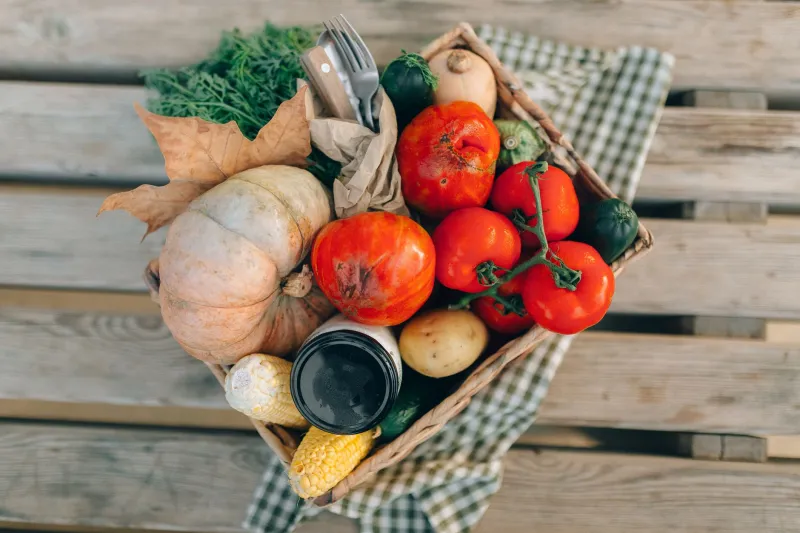
Walk into any American supermarket in the dead of February and you'll find strawberries. Bright red, perfectly shaped, completely out of place. They've been flown in from somewhere warm, engineered to look appealing, and stripped of much of the nutritional punch they'd carry if you'd picked them in July. We've gotten so used to this kind of abundance that we've stopped asking a pretty important question: should we be eating this way?
For most of human history, that question didn't even need to be asked. You ate what grew. You ate what was available. And it turns out, that constraint wasn't a hardship — it was a feature.
How Traditional Cultures Thought About Food and Time
Across the globe, from the Ayurvedic traditions of India to the food customs of Native American communities to the harvest-based diets of rural Europe, people understood that food wasn't a static thing. What nourished you in August wasn't what your body needed in December. Seasonal eating was baked into the culture, the calendar, and the kitchen.
In traditional Chinese medicine, for example, winter was considered a time for warming, grounding foods — think slow-cooked stews, root vegetables, and warming spices like ginger and cinnamon. Summer, on the other hand, called for cooling, hydrating foods: cucumbers, watermelon, leafy greens. These weren't arbitrary rules. They reflected a sophisticated understanding of how the body's needs shift as the environment changes around it.
Native American communities across North America had similar rhythms. Dried meats and stored grains sustained people through cold months, while fresh berries, wild greens, and fish carried them through the warmer seasons. The body was always in conversation with the land.
What Actually Changes Nutritionally Between Seasons
Here's where it gets interesting for those of us who like a little science with our wellness.
Winter vegetables — your butternut squashes, sweet potatoes, parsnips, turnips, beets — are genuinely different from summer produce in ways that matter. Root vegetables are dense in complex carbohydrates, which the body converts to slow-burning energy. That's exactly what you need when temperatures drop and your body is working harder to stay warm. They're also rich in beta-carotene, vitamin C, and potassium — nutrients that support immune function right when cold and flu season is ramping up.
Summer produce tells a different story. Tomatoes, cucumbers, zucchini, berries, and peaches are loaded with water — which makes sense, because you're losing more of it through sweat. They tend to be lighter, easier to digest, and packed with antioxidants that help protect against sun-related cellular stress. Many summer fruits are also higher in natural sugars, giving you quick energy for longer, more active days.
The body isn't passive in all of this. Research suggests that digestive enzyme activity, gut microbiome composition, and even metabolic rate shift with the seasons. A 2018 study published in Cell Host & Microbe found that the gut microbiome shows significant seasonal variation — meaning the community of bacteria living in your digestive system literally changes throughout the year, and the foods you eat play a big role in shaping that shift.
The Year-Round Supermarket Problem
The modern American grocery store is a logistical miracle and a nutritional curveball at the same time. Having access to any food at any time sounds like a win, and in some ways it is. But it's also quietly disconnected us from one of the most intuitive health practices humans ever developed.
When you eat a tomato in January, you're eating something that was likely picked before it ripened, stored for days or weeks, and transported thousands of miles. Studies have consistently shown that the nutritional content of produce degrades after harvest — and the longer the journey from farm to fork, the more nutrients are lost. That out-of-season strawberry might look the part, but it's a nutritional shadow of what it would be at peak summer ripeness.
There's also something worth considering about how out-of-season eating affects digestion. Heavy, cooling summer salads eaten in the middle of winter can actually stress your digestive system, which is naturally trying to shift into a slower, more inward mode. Ayurvedic practitioners have been saying this for thousands of years. Modern functional medicine is starting to catch up.
Bringing Seasonal Eating Back Into an American Kitchen
The good news is that you don't have to overhaul everything to start eating more in tune with the seasons. Small shifts make a real difference.
Start with your local farmers market. Whatever's at the market is what's in season — it's that simple. Winter markets in most parts of the US will be heavy on root vegetables, winter squashes, hearty greens like kale and chard, and storage crops like onions, garlic, and apples. Let that guide your weekly meal planning.
Lean into warming cooking methods in colder months. Roasting, braising, and slow cooking aren't just cozy — they're actually easier on your digestive system when temperatures drop. A slow-roasted beet or a pot of butternut squash soup is doing more for your winter wellness than a cold smoothie ever could.
Embrace the summer abundance without guilt. When peaches are in season in Georgia, eat the peaches. When corn is coming out of Midwest fields in August, eat the corn. These windows of peak nutrition are short — take advantage of them.
Preserve what you can. Traditional cultures didn't have access to fresh produce year-round, so they preserved it — through fermentation, pickling, drying, and canning. Fermented vegetables in particular retain a remarkable amount of nutrition and add gut-supporting probiotics to your winter diet. Making a batch of sauerkraut or pickled beets in the fall is a deeply traditional act of wellness.
A Different Relationship With Food
Seasonal eating asks something of us that modern convenience culture doesn't often demand: patience and presence. It asks us to pay attention to what's actually growing right now, in the place where we live. It asks us to trust that our bodies are part of nature — not separate from it.
That shift in perspective is, honestly, the heart of what holistic wellness is about. The food on your plate isn't just fuel. It's a relationship — with the land, with the time of year, with your own biology. When you start eating with the seasons, even imperfectly, you're tapping into a kind of wisdom that no nutrition label can fully capture.
Your body already knows what season it is. Give it the food to match.
